Breast reconstruction
Breast reconstruction surgery, with or without a prosthesis, is designed to restore the integrity of a woman's breast after total or partial loss of tissue. The most common case is voluntary removal after breast cancer surgery.
That's why Dr Christelle Santini considers breast reconstruction to be one of the most delicate operations of all. The real difficulty lies not so much in the technical gesture, but in the psychological dimension that accompanies it, which requires a great deal of empathy.
Every step of the way, Dr. Santini will listen to your needs, and work with you to complete the breast repair process.

The different treatments
In cosmetic surgery, different treatments are used to reconstruct the breast. Find out more below.
-
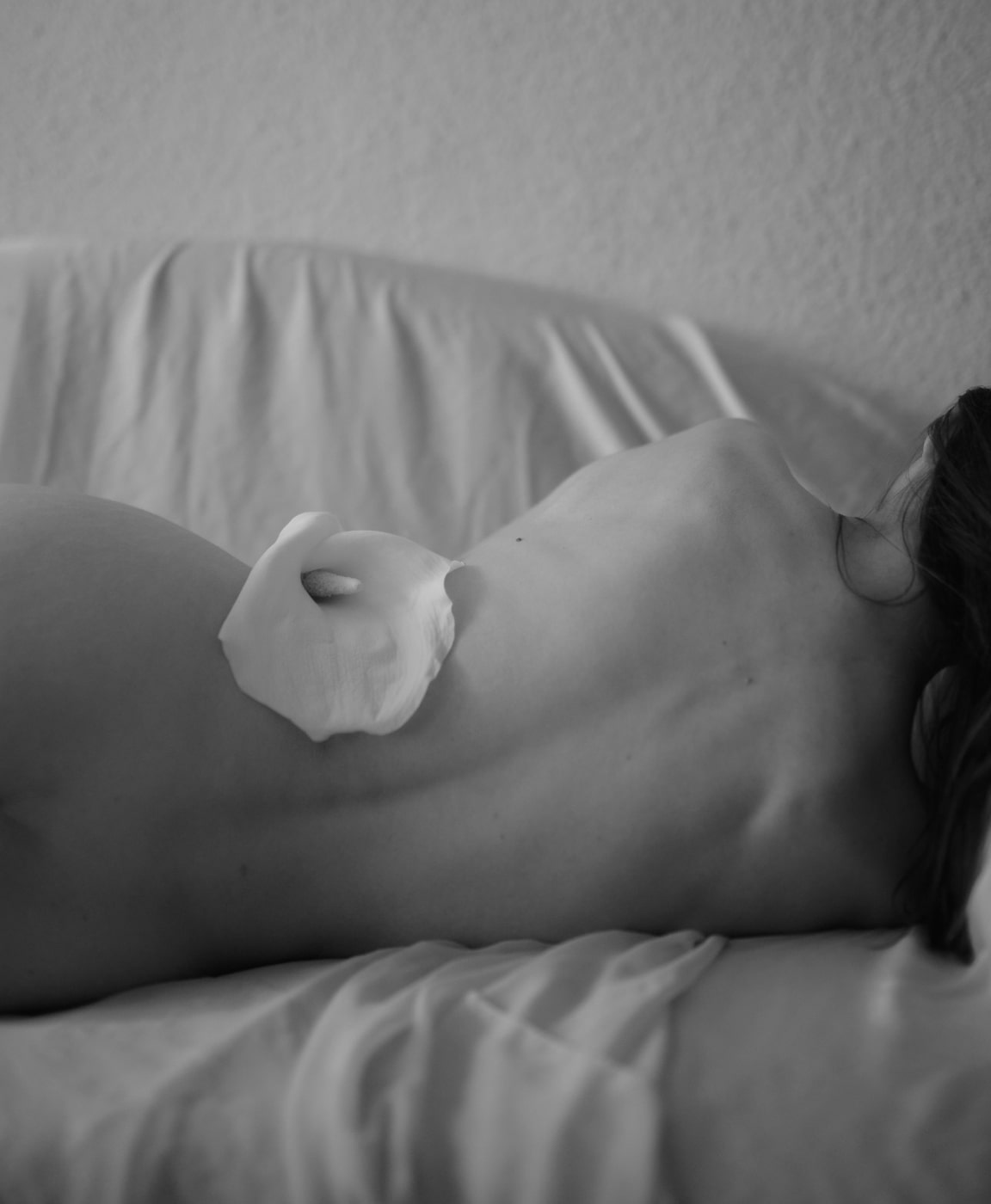
Breast reconstruction using a long dorsal flap
Breast reconstruction with a long dorsal flap uses your own tissue to reconstruct your breast.
-
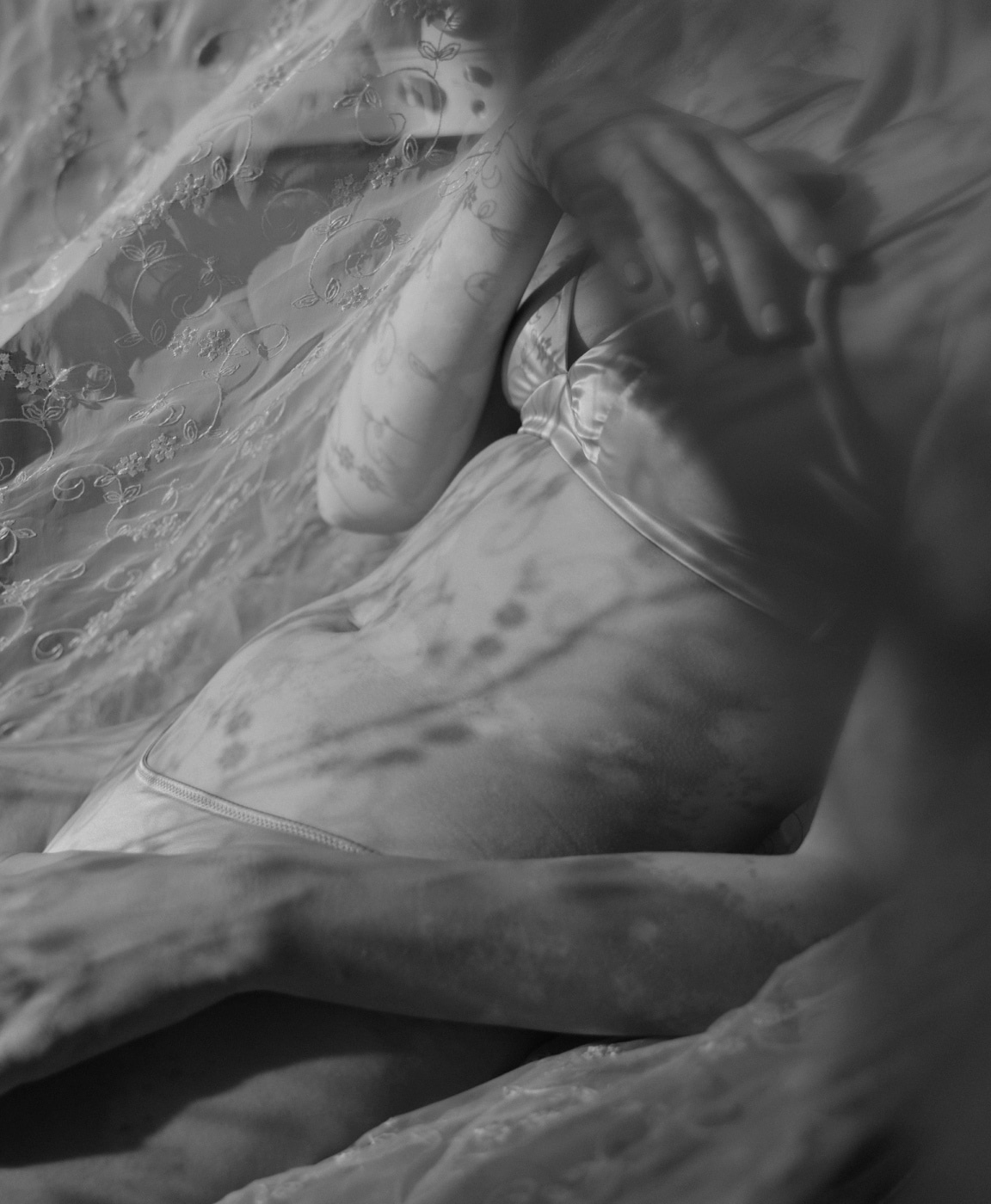
Breast reconstruction with DIEP flap
The DIEP flap breast reconstruction technique moves a skin flap from the abdomen to reconstruct your breast.
-
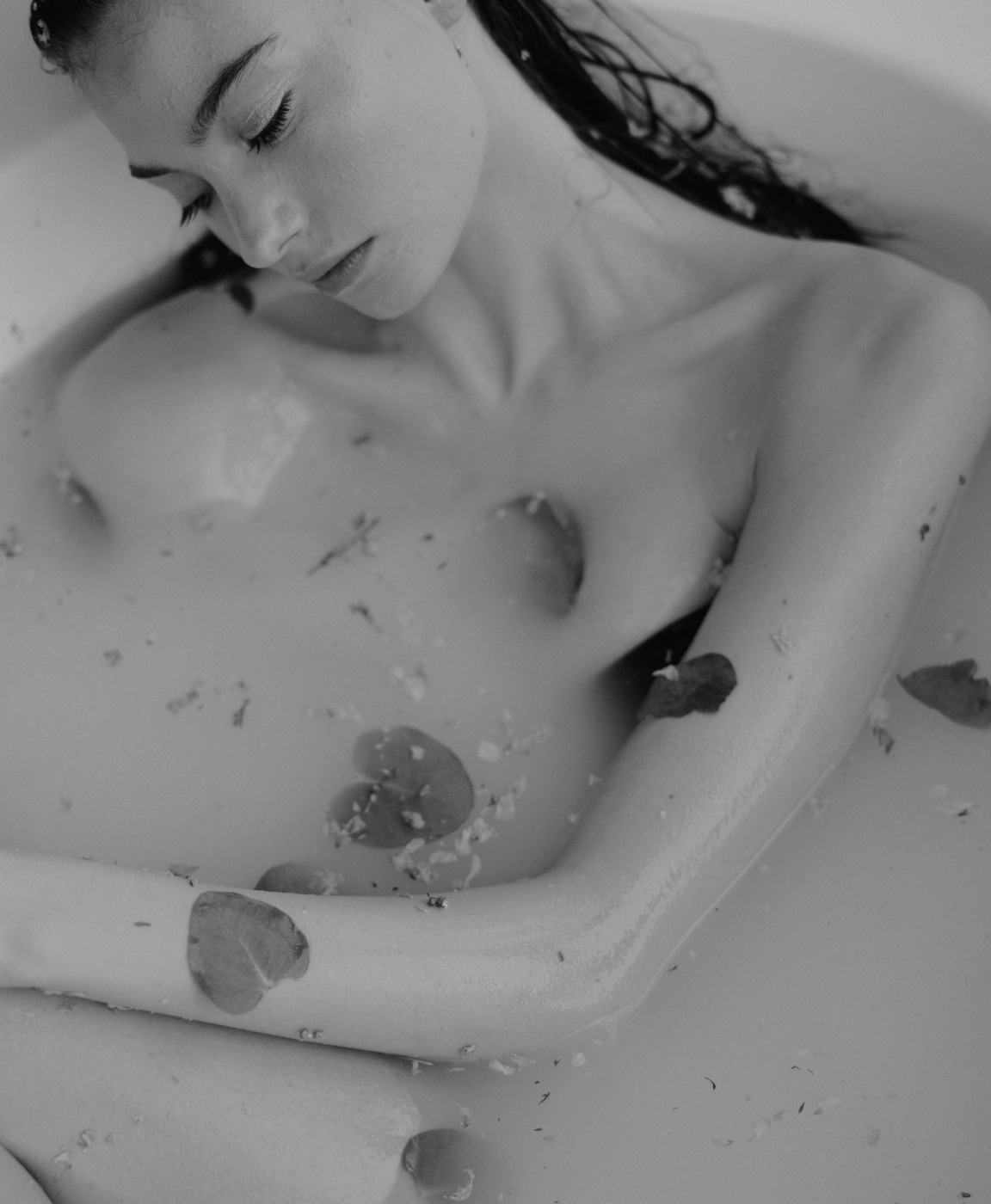
Breast reconstruction with prostheses
The aim of this breast reconstruction procedure is to restore the volume and contours of the breast by fitting a prosthesis.
-

Nipple reconstruction
After breast reconstruction, it is advisable to propose reconstruction of the nipple-areolar plate (areola + nipple) in order to fully restore the breast as a symbol of femininity.
What are the indications for breast reconstruction in Paris?
Breast reconstruction is surgery to rebuild breast tissue that has been partially or totally destroyed.
There are two main causes of breast volume loss:
- accidental loss, such as an accident, major trauma or burn; this is the rarest case.
- voluntary loss for therapeutic purposes, whether through radiotherapy or, more often, excision surgery (mastectomy or mammectomy for breast cancer).
The extent of surgery required will depend on the volume of tissue missing, but also on the state of the underlying tissues, which may be inflamed (recent surgery) or dead (radiotherapy).
This is also what determines the timing of breast reconstruction: in some cases, it can be carried out immediately after a mastectomy, in others after several years, sometimes requiring several operations over several months. This also explains the symbolic significance of breast reconstruction, as the patient experiences it as the end of a long struggle and a return to a "normal" life.
In most cases, breast reconstruction is partially reimbursed by the health insurance system, after approval by the medical officer.
What are the recommendations before breast reconstruction surgery?
The initial examination by Dr Christelle Santini is essential, so that she understands both your medical history and your hopes.
The clinical examination is based on an examination of the breasts and a review of the medical records, often including a discussion with the surgical oncologist or senologist.
This step is complemented by an artistic eye, to recreate a harmonious, shapely and symmetrical breast that meets the patient's expectations.
The reconstructed breast is never perfectly identical to the contralateral breast, for example in terms of consistency and mobility. But the aim is to achieve the most natural rendering possible by determining :
- the right time for reconstruction surgery
- the best surgical technique.
A visit even before excision surgery enables us to optimize surgical procedures, while taking a very positive medium-term view.
Dr Santini will also give you his main recommendations:
- Agreement of the social security medical officer if applicable.
- Smoking cessation one month before and one month after surgery to optimize healing of often fragile tissues.
- Discontinue certain medications with medical approval, such as the contraceptive pill (risk of embolism) or anticoagulants (risk of bleeding).
- You must fast on the day of surgery.
What breast reconstruction procedures does Dr. Santini offer in Paris?
These procedures are carried out under general anaesthetic, and each technique is adapted for a tailor-made solution: all breast reconstruction operations are different from one another.
Dr Santini can combine different methods in a single procedure.
When this is not possible, several operations are required.
Breast reconstruction with breast prostheses
After the complete removal of a breast (mastectomy), the simplest solution for reconstruction may be the insertion of a breast implant.
If the thorax lacks skin, one solution is to fit a temporary prosthesis known as a breast expander. An internal valve allows it to be progressively inflated with physiological saline to help the skin expand. Once the desired volume has been reached, on average after 4 to 6 months, the definitive prosthesis is fitted.
This implant-based reconstruction technique restores the breast and the femininity of the bust, making it sublime.
Breast reconstruction using the flap technique
Surgical flap breast reconstruction uses the patient's own tissue from other parts of the body (autologous flap taken from the abdomen or back) to reconstruct a breast by relocating it.
- The dorsalis major involves harvesting skin and muscle from one side of the thorax and from the back. This is necessary when the skin of the chest has been altered and does not allow a prosthesis to be placed on its own. In the majority of cases, displacement of the dorsalis major is combined with breast prosthesis placement and/or breast lipofilling.
- Reconstruction using the rectus abdominis muscle flap takes longer. The DIEP (Deep Inferior Epigastric artery Perforator) flap can be used to add volume when the contralateral breast is large, provided the abdominal morphology allows. This type of breast reconstruction gives a natural result without breast prosthesis, with soft, sensual tissues.
Lipofilling breast reconstruction
Breast lipofilling or lipostructure is a technique whereby fat is removed from another part of the body and reinjected into the breast.
This is a breast reconstruction technique often used as a complement to another method, or to correct imperfections of a partial mastectomy (such as a hollowed out curve).
Nipple reconstruction
A final stage of surgery may be required to symmetrize the contralateral breast by reconstructing the areola and nipple.
Depending on the case, this procedure may be performed independently or as a continuation of other breast reconstruction operations, in a single operation.
This is often the last surgical procedure, which will enhance the new breasts with symmetrical, positioned nipples.
What to do after breast reconstruction surgery?
Pain varies in intensity, but Dr. Santini systematically manages it in a preventive and appropriate way, to ensure that the post-operative period is as comfortable as possible.
The dressing is redone the day after or two days after the operation, with the drains removed between the second and tenth day, depending on the volumes collected. A support bra must be worn at all times for at least 6 weeks.
Convalescence generally lasts 1 to 2 months, with resumption of sporting activity not recommended for 2 to 3 months.
Dr Christelle Santini provides regular follow-up and adapts her advice to your actual tissue recovery. Particular attention is paid to the healing process, on tissues that are sometimes initially weakened in their vitality.
What is the outcome of breast reconstruction by Dr Christelle Santini - Paris?
It takes at least 6 months after the operation to appreciate the final result, with a supple, symmetrical reconstructed breast.
It is sometimes useful to supplement this with physiotherapy sessions, to restore good mobility to the shoulder and chest, particularly in the case of a lumbar spine graft.
Scars fade after 6 to 12 months, and are usually perfectly concealed by the bra. They try to match those of the initial mammectomy, so as not to add to them.
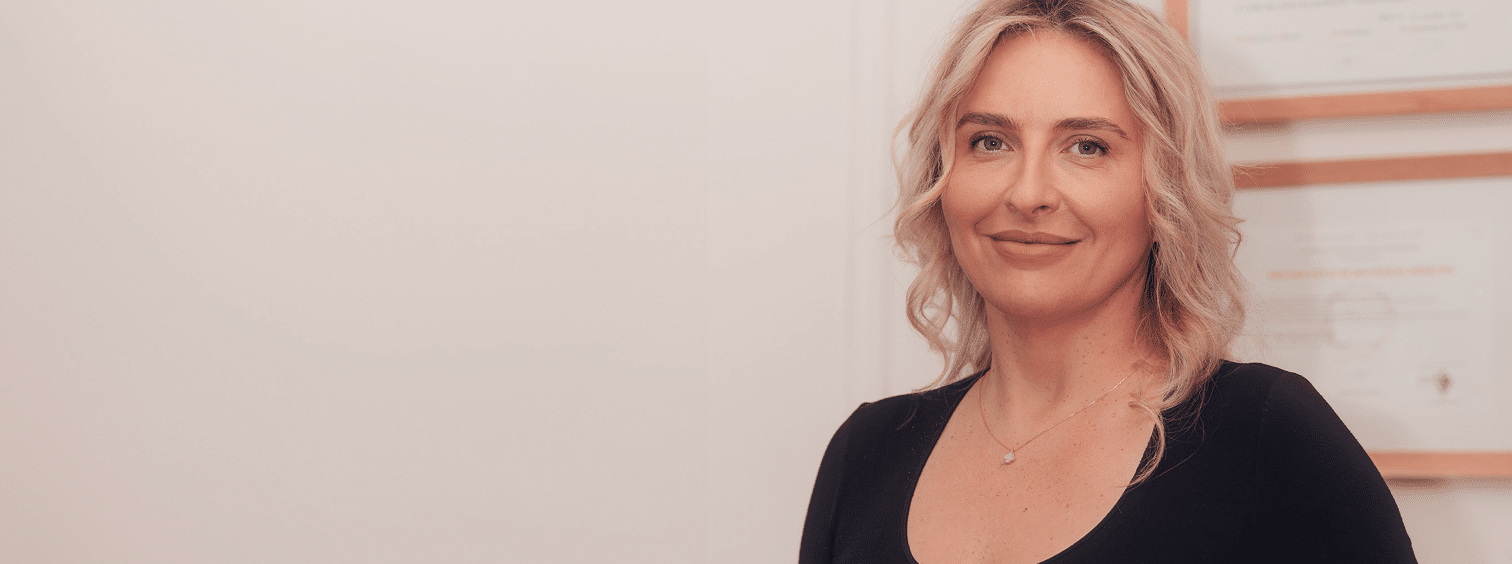
WRITTEN AND MEDICALLY REVIEWED BY:
Dr Christelle Santini
specialist in cosmetic surgery & medicine in paris
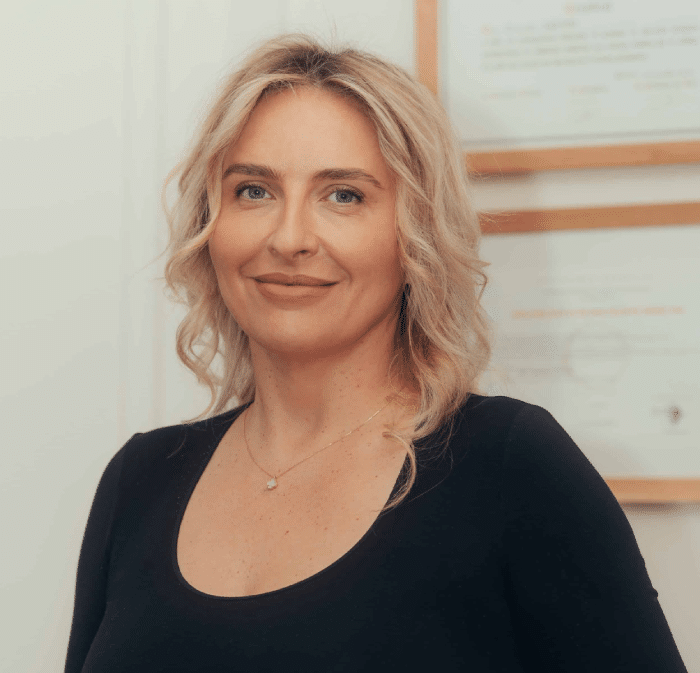
I am Dr. Christelle Santini, a specialist in cosmetic surgery and medicine with over 16 years of experience, based in Paris. I am:
- Surgeon qualified by the Collège Français de Chirurgie Plastique et Esthétique, registered with the Conseil de l'Ordre des Médecins in Paris.
- Member of the French Society of Plastic, Reconstructive, and Aesthetic Surgery (SoFCPRE).
- Former Assistant Chief of Staff at the Paris School of Medicine.
- My RPPS ID: 10005192595
My goal is to provide each patient with personalized care that combines transparency and safety with technical expertise and natural-looking results.
Our exchanges with Internet users
Maggy
Publié le 21 février 2025
Je suis allée consulter pour une reconstruction avec la technique du lambeau DIEP, et je ne pouvais pas être plus heureuse du résultat. Non seulement mon sein reconstruit est naturel et souple, mais l’aspect émotionnel a également été pris en compte avec beaucoup de délicatesse. Le Dr Santini a su me rassurer et faire de cette chirurgie un moment très positif pour moi
Dr Santini
Publié le 04 mars 2025
Merci beaucoup pour votre témoignage. Je suis ravie d’apprendre que votre expérience avec la reconstruction mammaire et la technique du lambeau DIEP a été à la hauteur de vos attentes, tant sur le plan physique qu’émotionnel. Merci encore pour votre confiance !
Jacinta
Publié le 28 janvier 2025
L’idée d’une reconstruction mammaire me réconforte après ma mastectomie. Je me demande quel type de suivi post-opératoire est nécessaire, et si des exercices spécifiques sont recommandés pour restaurer la mobilité du buste. Merci pour vos conseils
Dr Santini
Publié le 04 février 2025
Bonjour,
Je comprends que cette démarche de reconstruction mammaire soit source de réconfort, et c’est une étape importante dans votre parcours. Après l’intervention, le suivi post-opératoire est essentiel pour garantir une bonne récupération et obtenir les meilleurs résultats possibles.
Le suivi post-opératoire inclut des consultations régulières pour surveiller l’évolution de la cicatrisation et vérifier l’absence de complications.
En ce qui concerne les exercices, il est souvent recommandé de commencer progressivement à bouger le bras et le buste, généralement quelques semaines après l’opération. Ces exercices sont importants pour restaurer la mobilité du buste, éviter la raideur et améliorer la circulation sanguine.